Just how do you actually feel about Preventing Sewer Line Damage Caused by Tree Roots?
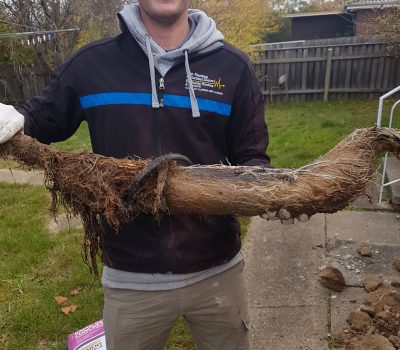
Tree origins are a hidden yet significant threat to your plumbing system. While trees boost the elegance of your backyard and give color, their origins can damage underground pipelines, resulting in clogs, leakages, and expensive repairs. Recognizing exactly how to prevent tree origins from damaging your pipes is essential for keeping a healthy and effective system. This article checks out effective methods to safeguard your plumbing while protecting the elegance of your landscape.
Understand the Issue: Exactly How Tree Beginnings Damages Plumbing
Tree roots naturally look for wetness and nutrients, that makes your below ground pipelines an eye-catching target. Small fractures or loosened joints in pipelines release wetness, drawing in roots that infiltrate with these openings. With time, the origins enlarge, creating clogs, pipe breaks, or even complete system failure.
Typical signs of root invasion consist of:
Early detection and positive procedures are crucial to preventing costly damage.
Pick the Right Trees for Your Landscape
When growing trees near your home, go with species with much less hostile root systems. Some trees are infamous for their intrusive origins, such as willows, poplars, and silver maples. Instead, take into consideration growing trees with non-invasive roots, like:
In addition, plant trees at a secure range from your plumbing system. As a general regulation, plant trees at the very least as far away from your home as their mature height.
Usage Origin Barriers.
Mounting physical root barriers is a reliable means to protect your plumbing. These barriers create a barrier between the tree origins and your pipelines, routing origins to expand much deeper or away from the plumbing. Root obstacles are generally made of resilient materials like plastic or steel and must be set up by an expert to make certain optimum efficiency.
On A Regular Basis Examine and Maintain Your Pipes.
Routine plumbing evaluations can recognize potential troubles before they intensify. A specialist plumbing technician can use advanced methods like video clip pipe assessments to detect root invasion or other susceptabilities in your system. Setting up inspections yearly or semi-annually is especially crucial if your home is bordered by fully grown trees.
Normal upkeep, such as hydro jetting or drainpipe cleaning, can additionally assist maintain your pipes clear and reduce the chances of root-related clogs.
Fixing Cracked or Damaged Water Lines.
Tree roots are most likely to get into pipes that are currently endangered. If your plumbing has splits, loosened joints, or various other weaknesses, it's essential to repair these concerns without delay. Modern pipe repair work methods, such as pipeline relining, can seal cracks and create a smooth indoor surface area that is resistant to root infiltration.
Consider Using Root-Repellent Products.
Chemical root repellents can be a reliable deterrent for tree origins. These products produce an obstacle around your pipes, preventing roots from expanding near them. Commonly utilized root repellents consist of copper sulfate and potassium hydroxide. Nonetheless, these chemicals need to be used carefully, as improper use can hurt close-by plants and the atmosphere.
Set Up a Trenchless Drain Line.
If your plumbing system is older or especially prone to root damages, updating to a trenchless drain line may be a worthwhile investment. Trenchless systems make use of modern-day materials that are much more immune to root breach and can be set up with minimal disturbance to your landscaping. While this solution calls for an in advance cost, it can conserve money on fixings and maintenance in the future.
Water Trees Tactically.
Tree origins typically attack plumbing due to the fact that they are searching for water. Offering your trees with ample water through appropriate watering can lower the possibility of roots seeking wetness from your pipelines. Usage drip watering systems to ensure deep and even watering, encouraging roots to grow downwards rather than towards your pipes.
Educate Yourself About Your Residential property's Pipes Format.
Understanding where your plumbing pipes lie is vital for reliable avoidance. Before planting new trees or landscape design, seek advice from a specialist to map out your below ground energies. This information will certainly assist you intend your landscaping efforts and avoid growing trees too close to susceptible areas.
Seek Specialist Assist for Severe Concerns.
If tree roots have actually currently infiltrated your plumbing system, it's vital to deal with the concern quickly. Specialist plumbing technicians have the devices and know-how to remove root obstructions without harming your pipelines. Strategies like hydro jetting, mechanical origin elimination, or pipeline relining can effectively restore your plumbing to optimal condition.
Conclusion
Stopping tree roots from damaging your plumbing requires a combination of strategic planning, normal upkeep, and expert support. By choosing the right trees, installing origin obstacles, and maintaining your pipes system, you can appreciate the appeal of your landscape without jeopardizing the wellness of your pipes. Taking proactive actions today will save you from costly repair services and ensure your pipes remains in superb condition for several years to find.
How To Keep Tree Roots From Wrecking Your Sewer Line
Determine if you have trees near a sewer line
Houses are required to have sewer clean out caps in 2 places. These are typically either white PVC or Black ABS pipes sticking out of the ground or sometimes in a recessed box in the lawn. One should be within a few feet of your foundation wall and the other should be within 13 feet of the curb. In most cases the pipe will travel underground this general line of sight.
Get your sewer line inspected
Now that you know a tree is near the sewer line, you need to see if roots have invaded.
The best way to do this: Get a professional plumber to inspect the sewer line using a camera probe.
While you could wait to get the inspection until you notice the signs of a sewer line break, getting the inspection now will nip problems in the bud and possibly save you thousands of dollars.
Remove roots and repair as needed
Cutting up the roots in the pipe using a hydro cutter or a powered sewer auger.
Killing off the root structure by using chemicals to temporarily stop their growth. One option is Root-X, a herbicide that can:
Penetrate the roots, killing them on contact.
Stick to the pipe walls, preventing re-growth for up to three years.
Repairing the sewer pipe as needed. Mr. Plumber uses a No Dig technology that makes repairing sewer pipes easy and non-invasive, so you don t have to destroy your landscape. https://www.mrplumberatlanta.com/help-guides/how-to-keep-tree-roots-from-wrecking-your-sewer-line
How To Keep Tree Roots From Wrecking Your Sewer Line
Determine if you have trees near a sewer line
Houses are required to have sewer clean out caps in 2 places. These are typically either white PVC or Black ABS pipes sticking out of the ground or sometimes in a recessed box in the lawn. One should be within a few feet of your foundation wall and the other should be within 13 feet of the curb. In most cases the pipe will travel underground this general line of sight.
Get your sewer line inspected
Now that you know a tree is near the sewer line, you need to see if roots have invaded.
The best way to do this: Get a professional plumber to inspect the sewer line using a camera probe.
While you could wait to get the inspection until you notice the signs of a sewer line break, getting the inspection now will nip problems in the bud and possibly save you thousands of dollars.
Remove roots and repair as needed
https://www.mrplumberatlanta.com/help-guides/how-to-keep-tree-roots-from-wrecking-your-sewer-line
As a keen reader about How Tree Roots Can Damage Your Sewer Line, I figured sharing that excerpt was important. In case you appreciated our blog posting please consider to pass it around. We value your readership.